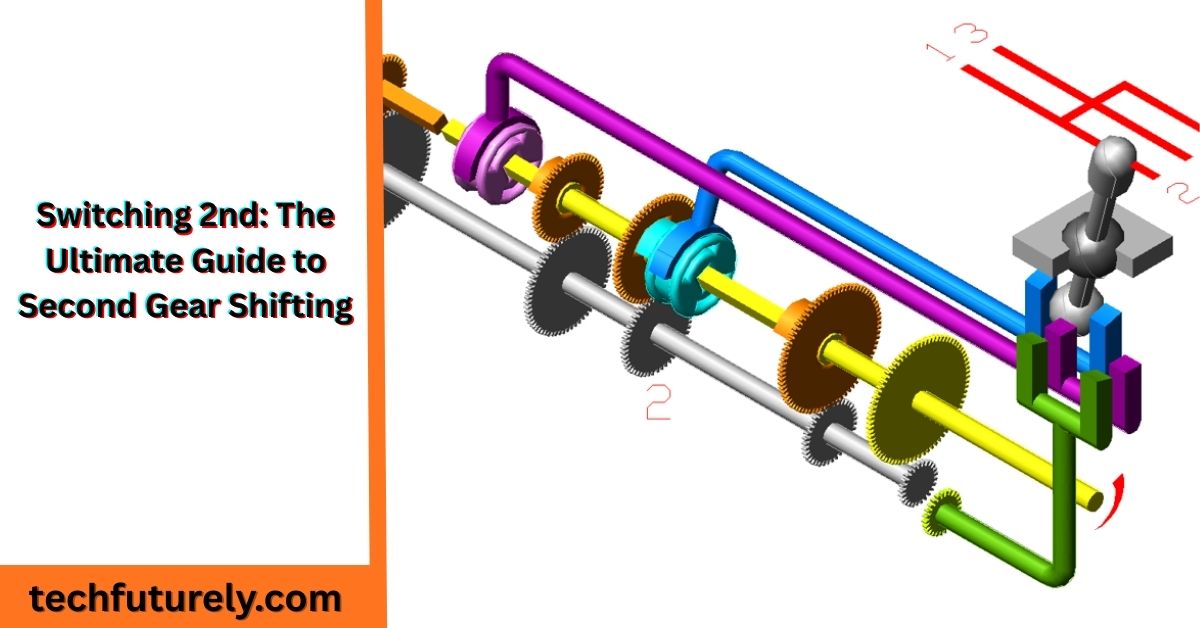
Switching 2nd at the right moment can turn a jerky start into a smooth, confident launch. Many new drivers struggle with this shift because it demands precise coordination between the clutch, accelerator, and gear lever. When done correctly, the car moves forward effortlessly instead of lurching or stalling, giving you better control in traffic and on hills. Mastering this simple technique not only makes driving feel easier but also reduces strain on the engine and transmission over time.
Second gear acts as the bridge between the powerful pull of first gear and the steady pace of higher gears. It keeps the vehicle moving with balanced power while preventing excessive engine revving. Most cars feel comfortable shifting into second around 10–15 mph (16–24 km/h), where acceleration becomes smoother and more efficient. Shift too early, and the engine may struggle. Wait too long, and you waste fuel while creating unnecessary noise and wear.
Learning the correct timing transforms the entire driving experience, especially in city traffic where frequent stops are unavoidable. Smooth transitions improve fuel economy, reduce clutch wear, and help maintain traction on slopes or slippery roads. Once you develop the feel for this shift, everyday driving becomes calmer, more controlled, and far less stressful — whether you are a beginner or simply refining your manual driving skills.
| Aspect | Second Gear Quick Facts |
|---|---|
| Purpose: | Bridges first gear’s torque with higher gears’ speed. |
| Typical Shift Speed: | About 10–15 mph (16–24 km/h) for most manual cars. |
| Engine RPM: | Often 2000–3000 RPM; high revs signal a need to shift. |
| When to Use: | Moderate acceleration, inclines, merging into traffic. |
| Key Benefits: | Smoother acceleration, better traction, improved fuel use. |
| Common Pitfalls: | Shifting too early or riding the clutch (causes jerk/stall). |
Understanding Second Gear: How It Works
Second gear is that middle ground gear that gives you control once you’re already moving. In a manual transmission, first gear provides maximum torque to get going, while second gear is for building speed gently. In practice, second gear lets the engine run at a higher RPM than first but still deliver strong pull. As one expert explains, when you shift into second gear, the engine “operates at an optimal range for lower speeds,” providing good torque without over-revving. This means you can climb small hills or accelerate from a crawl without bogging down the engine.
Gear Ratios and Engine RPM
The key to understanding second gear lies in gear ratios. First gear has the highest torque but lowest speed, whereas second gear reduces torque a bit and increases speed. In simple terms: first gear = high torque, low speed; second gear = slightly lower torque, higher speed. For example, as soon as your car starts moving, you might feel first gear getting tired; it’s at that point you want second gear. Your tachometer is your friend here: when the engine hits about 2000–2500 RPM and you’ve got some speed (usually around 10–15 mph), that’s usually the sweet spot to shift.
The clutch pedal plays a crucial role in this transition. Depressing the clutch disengages the engine from the wheels, letting you shift without grinding gears. Releasing the clutch too quickly is a common cause of jerky motions. Instead, make a deliberate, smooth release so the engine and wheels match speeds gradually. If you try to slip into second gear too early (at very low speed) or too late (at excessively high RPM), you risk stalling or lugging the engine. The goal is to align the engine speed with the gear speed; otherwise, the car can shudder or stall.
Clutch Role in Shifting
Think of the clutch as a brief disconnect: when you press it fully, the engine power to the wheels is momentarily cut. This pause lets you move the shifter into 2nd gear. Then as you lift off the clutch, the engine and wheels reconnect. The trick is to do this gradually. A quick press-and-release often feels jerky or causes a stall. Instead, press the clutch fully, gently move the shift lever into second, and then slowly let the clutch up while giving a bit of gas. With practice, your feet will time this to perfection: one smooth motion from left (clutch) to the gear stick to the gas pedal makes all the difference.
When to Shift into Second Gear
Knowing when to upshift to second is just as important as the mechanics. A good rule of thumb is to feel for sluggishness or high RPMs. If your car feels like it’s “working too hard” in first gear without picking up speed, it’s usually time to shift. In most cars, that happens around 10–15 mph. For example, beginners often learn that once you reach about 10 mph or so with the engine revving around 2000–3000 RPM, you should smoothly change to second. Your dashboard tachometer or the engine sound can cue you here: if the needle nears 2500 RPM and you’re cruising just a bit faster, plan to let the clutch out into second gear.
Another clue is road conditions. On a steep hill or when pulling a load, you may feel the car struggle in first gear. In that case, shifting to second sooner (even at a lower speed) can give you the extra torque needed to keep climbing without bogging down. Conversely, if you’re going downhill or on a clear road at very low speed, you might stay in first a tad longer for maximum engine braking. But generally, as soon as you’ve got enough momentum and the clutch feels ready, second gear is where you want to be for a balance of power and efficiency.
Speed and RPM Guidelines
A simple way to remember is: watch your speed and engine. Most compact cars shift to second around 8–12 mph, while trucks or sports cars might be slightly different. If in doubt, listen. Many drivers say second gear “feels” right when the engine has a steady hum rather than a strained roar. When the car’s acceleration slows and the engine tone rises, that’s a cue. In practice, shift into 2nd when the speedometer hits roughly the 10–15 mph mark or when the RPM climbs into the 2000–3000 range. This keeps the engine from lugging along too low and saves fuel by avoiding needless revving.
Terrain and Load Considerations
Your surroundings matter too. On rough roads, loose surfaces or snowy conditions, starting in second gear (and staying there a bit longer) can actually improve traction. The reason is that second gear reduces torque spikes, making it easier for the wheels to grip. This is why some drivers start on 2nd gear in snow – it prevents the wheels from spinning too hard. Also, if you’re towing or carrying a heavy load, second gear delivers torque more gently. By shifting at the right time, you distribute the engine’s work efficiently. Remember that every car is slightly different, so learn its behavior: practice shifting on hills or in traffic and pay attention to how your car responds. Over time, you’ll instinctively know the perfect moment to move up into second.
Benefits of Shifting to Second Gear
Getting comfortable with second gear pays off in multiple ways. First and foremost, it leads to smoother acceleration. When you upshift at just the right time, the power delivery is gentle – no sudden jerks or lurches. Drivers often notice that merging into traffic or taking a corner feels much smoother once they master the timing. In fact, the engine running in its ideal range means it “responds uniformly without any harsh jolts”, which not only feels good but also keeps all parts of the drivetrain happier.
Another big win is fuel efficiency. Every time you let the engine rev too high in first gear, you burn more gas. Shifting to second gear at a moderate RPM keeps the engine in its efficient power band. Studies and driver reports show that careful shifting can noticeably reduce fuel consumption over time. You’ll literally be making fewer stops at the pump. This economy comes not only from lower RPM but also from keeping the engine from straining.
Finally, using second gear wisely prolongs engine life. If you push first gear too far, the engine and transmission parts have to handle excessive strain. By shifting to second, you avoid “lugging” the engine and reduce wear. Over months and years, this means less wear on your clutch, gearbox, and engine components. For example, when the engine runs at a lower RPM, it puts “less strain on various components like the transmission, clutch, and drivetrain,” which “translates to longer life for critical parts”. In short, smooth second-gear shifts save you money on maintenance and keep your vehicle running longer.
Key Benefits of Mastering Second Gear:
- Enhanced Control and Safety: Driving in second gear gives you better traction and stability at low speeds. It’s easier to control the car on city streets or twisty roads because the power builds more smoothly. This helps prevent skids and stalls, keeping you safe.
- Fuel Savings and Engine Health: Keeping the engine in its sweet spot means you get more mileage out of every gallon. By reducing unnecessary revving, you also reduce wear and tear. Over time, this improves your car’s longevity and reliability.
Step-by-Step Guide to Smooth Second Gear Shifts
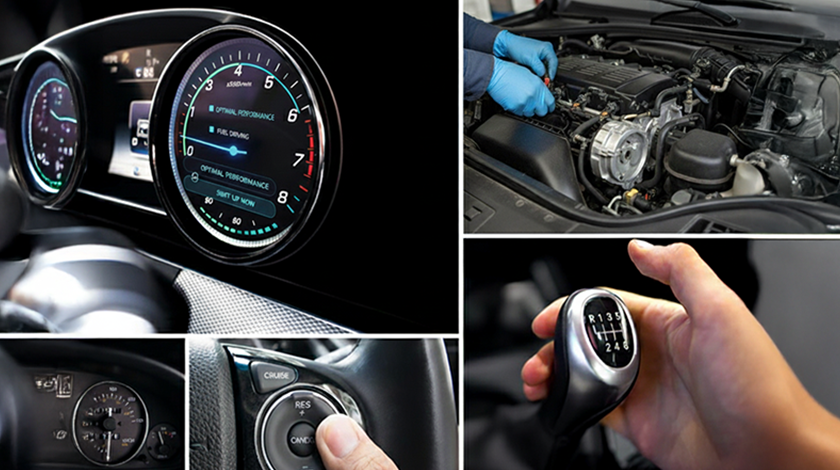
Switching to second gear is a coordinated move between your foot and hand. Follow these steps as a checklist to make each shift calm and deliberate:
- Accelerate in First Gear: Start from a stop and build up speed in first gear. Aim for roughly 10–15 mph (16–24 kph) before shifting. Press the accelerator gently; listen to the engine rev. If it sounds like it’s straining or nearing 2500 RPM without much speed gain, that’s your signal.
- Press the Clutch Fully: Let your left foot come all the way down to the floor. This disengages the engine from the wheels. You’ll feel the engine RPM rise a bit more now that it’s uncoupled.
- Shift to Second Gear: With the clutch in, move the gear stick straight into the second-gear slot. (Most manuals have second gear up-and-down from neutral.) Do this smoothly – don’t force it, just guide it.
- Release the Clutch While Applying Light Gas: Very gradually lift your foot off the clutch and simultaneously press the accelerator. This dual action matches engine speed to wheel speed. The car should start pulling forward gently. If it shudders, you released too fast; if it stalls, you might not have given enough gas or shifted too early. Practice this balance.
- Adjust Speed: Once fully in second gear, continue to accelerate smoothly to your cruising speed. Keep the engine in a moderate RPM range (usually mid-2000s) until you need third gear or adjust speed.
Footwork and Hand Coordination
Your left foot and right hand do a little dance here. Pressing the clutch pedal completely down and taking it back up is often called “two-thirds of a shift.” The last third – feathering the clutch while gasping – is what makes it smooth. Keep your left foot parallel to the clutch pedal and ease off the gas before you press the clutch. Once the clutch is engaged, you have about 1–2 seconds to move the stick to second. Use your right hand’s grip and gentle guidance.
Meanwhile, your right foot controls the throttle. When you begin to lift off the clutch, you should start pressing the gas pedal gradually. It helps to think, “Clutch out, gas in” in a slow, continuous motion. Too much gas too early or too little gas can cause stalls or lurches.
Timing the Shift for Peak Performance
Timing is everything. If you shift too early (at very low speed), the engine might lug and bog, which is hard on the motor. If you shift too late (at very high RPM), you waste fuel and feel a jolt. Aim to move into second gear right as first gear is reaching its comfortable limit. Many drivers use the tachometer: around 2000–2500 RPM is usually ideal for second in daily driving. If your car has a tach, use it. If not, trust the sound – when the engine note rises and steadies, it’s time.
Once you get the feel of the exact timing for your car, you’ll find second gear shifts become second nature. The car will practically glide into second instead of jerkging, and you can accelerate more confidently.
Common Mistakes When Shifting to Second Gear
Even veteran drivers slip up sometimes. Here are the pitfalls to avoid:
- Rushing the Shift: If you stab the clutch and gas without thought, the car will either jerk forward or stall. A sudden shift often happens when a driver panics or is in a hurry. The cure: slow down your motion. Count “one, two” if it helps, and focus on a gentle clutch release.
- Not Matching Revs (Lifting Too Fast): Lifting the clutch too quickly without giving enough gas causes a lurch. This feels like a sudden “bump” and jolts the car forward. Instead, release slowly.
- Riding or Resting on the Clutch: Keeping your foot on the clutch pedal even slightly pressed when you shouldn’t be is a big no-no. This gradually burns the clutch plates and also can make the car wander. Always fully release the clutch once you’re in second gear.
- Shifting at the Wrong Speed: Shifting to second gear too early (at very low speed) will stall the engine, while shifting too late (at very high RPM) wastes fuel and creates stress on the motor. Pay attention to your car’s speed and sound, and learn its optimal shift points.
- Ignoring Terrain and Conditions: Forgetting to adjust for hills, turns, or loads can make second gear challenging. For instance, shifting up on a steep hill too soon might cause the car to lose speed. Likewise, staying in first gear too long on a slippery corner can spin the wheels. Adapt your shifts to the road conditions and be ready to stay or shift as needed.
| Common Mistake | Consequence | Quick Fix |
|---|---|---|
| Shifting too early | Engine stalls or jerks. | Wait until ~2000 RPM (or ~10–15 mph) before shifting. |
| Shifting too late | Engine lugs or wastes fuel. | Shift right as first gear loses momentum; avoid excessive RPM. |
| Releasing clutch too quickly | Cars lurch forward suddenly. | Lift clutch smoothly and give a little gas at the same time. |
| Keeping foot on clutch | Clutch overheats, causing wear. | Fully lift off the clutch pedal right after shift. |
| Not listening to engine cues | Erratic shifts, loss of control. | Use engine sound or tachometer to guide timing. |
Advanced Tips and Practice for Mastering Second Gear
Mastery comes with practice and a few pro tips. First, practice in a safe environment. Find an empty parking lot or quiet street and deliberately practice shifting into second. Without traffic stress, focus on the feel of the clutch biting and the engine sound. After a few tries, you’ll notice how the car responds to small changes in timing. As one guide notes, “The more comfortable you become with switching gears, the smoother your drive will be”.
Next, use your instruments. If your car has a tachometer, familiarize yourself with where 2nd gear should sit. For many cars, second gear is comfortable right around 2000–2500 RPM at normal acceleration. You can lightly tap the gas pedal while still in first to see the RPM needle climb, then pop it into neutral and note the RPM. This gives you a reference. Over time, you won’t even need to look – your ear will tell you.
Speaking of ears, sound cues are invaluable. When your car is ready for second, the engine often sounds like a calm growl rather than a sharp rev. If you hear it “revving hard” without the car accelerating much, that’s a signal. Also, you may feel the vibrations in the steering or shifter change when the engine reaches the correct point. Trust those subtle feedbacks.
Finally, remember to practice foot position and posture. Keep your left heel on the floor and use your toes to modulate the clutch. Angle your body so you can see the tach and road easily. Doing these small adjustments will improve consistency. Over a few weeks of mindful practice, each shift will require less thought and happen almost automatically. In short: practice steadily, pay attention to your car, and you’ll master second gear before you know it.
Conclusion
Shifting smoothly into second gear might seem like a small detail, but it has a big impact. When you do it right, driving feels effortless: starts are smooth, inclines are conquered, and your car behaves exactly as you intend. You’ll also notice practical benefits: your gas mileage improves and your car’s engine and transmission stay happier for longer. In fact, drivers often report “fewer trips to the gas station” and a more enjoyable ride overall once they perfect this shift.
The key takeaway is this: treat second gear as your ally. It’s the gear you use most after pulling away, so learning its timing, feeling, and role is well worth the effort. Keep your eyes on the speed, your ears on the engine, and your foot ready on the clutch. Over time, what feels like a challenge will become second nature. So next time you’re on the road, take that second gear shift slowly and confidently—you’ll drive smoother and smarter for it.
Frequently Asked Questions
What does “switching 2nd” mean in driving?
“Switching 2nd” simply means shifting from first gear into second gear in a manual car. It’s the transition you make after the initial start. In practice, it’s how you let the engine move from a slow start into a steadier speed range. Getting this shift smooth is crucial for confidence and control on the road.
When is the right time to shift into second gear?
Generally, shift into second gear around 10–15 mph or when the engine reaches roughly 2000–2500 RPM. If you find the engine revving high in first gear without the car accelerating much, press the clutch and move to second. You’ll also need second gear when extra torque is required, like climbing a hill or merging into traffic. Watch your speed and listen to your engine; those cues tell you the right moment.
How can I avoid stalling or jerking when I shift to second gear?
The trick is to release the clutch smoothly while gently giving it gas. Make sure you fully depress the clutch before shifting. Then, when you put it into second, lift the clutch slowly and press the accelerator gradually. Matching the engine’s RPM with the wheels’ speed avoids jerks. Practicing the timing in a quiet area helps a lot. If you hear the engine lug or the car jerks, you’ll know to adjust – either give a bit more gas or release the clutch a bit slower next time.
What are common mistakes to avoid when engaging second gear?
Common slip-ups include rushing the shift, not fully releasing the clutch, or ignoring the engine’s cues. For example, releasing the clutch too fast causes a lurch, while riding the clutch causes wear. Shifting too early can stall, and shifting too late wastes fuel. In short: be patient, pay attention to your car (RPM and sound), and practice often. Overcoming these mistakes leads to much smoother driving.
Will shifting to second gear really improve my fuel efficiency?
Yes. When you shift to second at the right time, the engine doesn’t have to rev as high for the same speed. That efficiency translates to less fuel burned over time. Essentially, second gear helps the engine work in its optimal range instead of working too hard in first. Drivers who practice timely shifts often notice better mileage and a lighter foot on the gas pedal.
