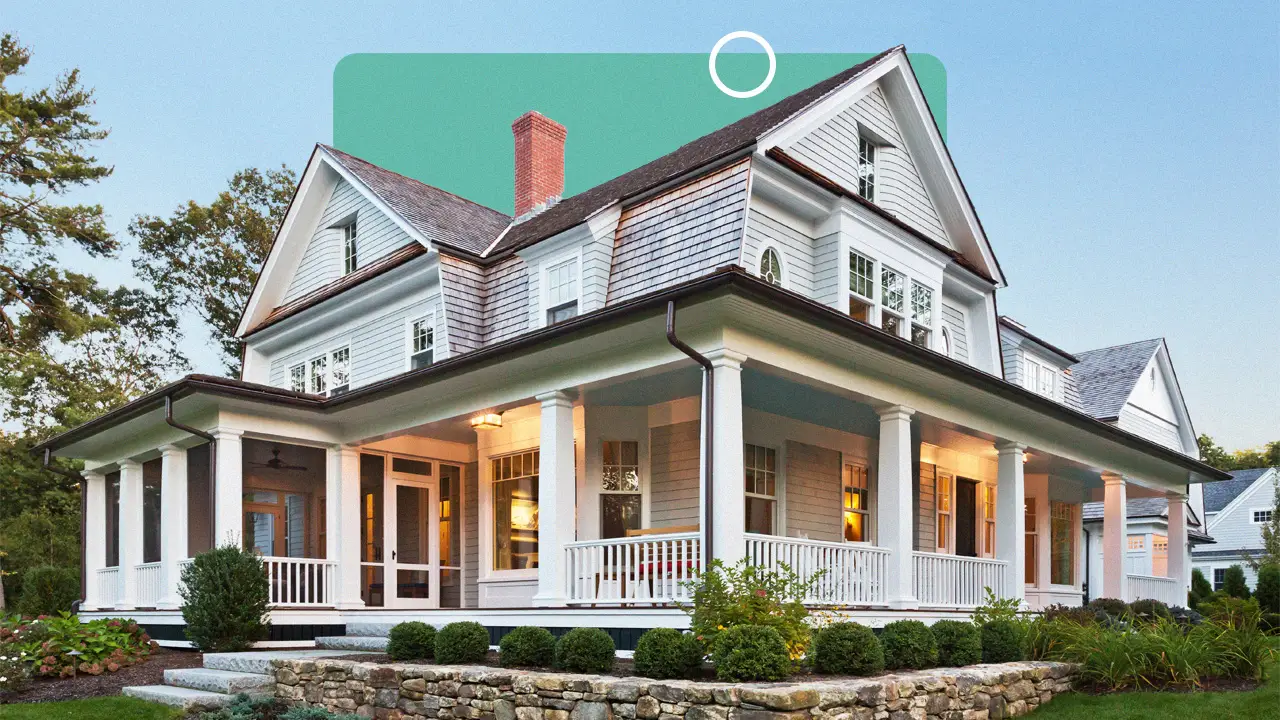
Every homeowner wants their property to be worth more. Whether you’re planning to sell in the near future or simply want a better-living space, increasing your home’s value doesn’t have to mean spending a fortune. The smartest upgrades are often the simplest ones — the kind that cost relatively little but deliver a significant return when it’s time to put your home on the market.
The trick is knowing which improvements actually move the needle and which ones are just expensive vanity projects. Let’s break it down.
First Impressions Start at the Front Door
Buyers and visitors form an opinion about your home within seconds of arriving. That means your kerb appeal — the view from the street — carries enormous weight. A cracked driveway, peeling paint on the front door, or an overgrown front garden signals neglect before anyone even steps inside.
Start with the basics. Repaint your front door in a bold, modern colour. Deep navy, forest green, and matte black are all popular choices that photograph beautifully and stand out on any street. Replace tired house numbers and an old letterbox with clean, contemporary fittings. These small details cost next to nothing but immediately elevate the overall impression.
If your driveway needs attention, consider block paving or even a simple reseal on existing tarmac. A tidy, well-defined entrance makes the whole property feel cared for and well-maintained.
The Kitchen Doesn’t Need a Full Renovation
Here’s a misconception that costs homeowners thousands: the idea that you need a brand new kitchen to add value. You don’t. What buyers actually respond to is a kitchen that feels clean, functional, and modern — and you can achieve that without ripping everything out.
Replacing cabinet doors and drawer fronts is one of the highest-return upgrades you can make. Keep the existing carcasses, swap the fronts for a contemporary flat-panel style, add matching handles, and the whole kitchen looks brand new for a fraction of the cost. Pair that with new worktops — quartz or a solid wood finish both look premium — and you’ve transformed the room.
Upgrading the lighting makes a bigger difference than most people expect too. Replace a single central pendant with recessed downlights or under-cabinet LED strips and the kitchen immediately feels more spacious and more expensive.
Bathrooms: Small Changes, Big Impact
Bathrooms are scrutinised heavily by buyers. An outdated or tired bathroom knocks thousands off perceived value, but a fresh, clean one adds confidence to the whole purchase decision.
You don’t need to retile the entire room. Re-grouting existing tiles removes years of discolouration and makes the whole bathroom look freshly renovated for less than £50 in materials. Add a new toilet seat, replace taps with a brushed chrome or matte black finish, and swap out an old mirror for a backlit LED version. These are afternoon jobs that collectively make a bathroom feel significantly more upmarket.
If the bath or shower tray is stained beyond cleaning, replacing just that unit — rather than doing a full refurbishment — is often sufficient to get the room looking sharp again.
Energy Efficiency Is Now a Selling Point
UK buyers are increasingly conscious of running costs. A home with good energy efficiency ratings sells faster and commands a higher price than an equivalent property with poor insulation and high bills.
Loft insulation is one of the cheapest and most effective improvements available. If your loft currently has less than 270mm of insulation, topping it up can dramatically reduce heat loss and improve your EPC rating. Cavity wall insulation, draught-proofing around doors and windows, and smart thermostats all contribute to a more energy-efficient home that appeals strongly to modern buyers.
Double glazing, if you haven’t already upgraded, remains one of the most consistently valued improvements for both comfort and resale.
Don’t Overlook the Garden
Outdoor space has rocketed in value since 2020. A well-presented garden — even a modest one — adds genuine appeal and usable living space that buyers factor directly into their offers.
You don’t need a landscape designer. Clear any overgrown areas, define the lawn edges, add a simple patio or decked area with budget-friendly composite decking, and finish with a few potted plants near the back door. The goal is to show potential — to help buyers picture themselves using the space.
A garden that looks low-maintenance is particularly attractive. Gravel borders, raised beds with defined edging, and hardy perennial planting all suggest easy upkeep without looking sparse.
Where to Find Trusted Guidance
Knowing what to improve is one thing — knowing how to do it properly is another. For UK homeowners looking for practical, reliable home improvement advice covering everything from interior renovations to exterior upgrades, My Homes Improvement is an excellent starting point. The site covers a wide range of projects with clear, actionable guidance suited to both beginners and experienced DIYers.
Whether you’re tackling a single room refresh or planning a more ambitious renovation, the right information makes every project smoother and more cost-effective. You’ll find guides on everything from fixing blocked drains to full room painting projects — all in one place.
The Bottom Line
Adding value to your home doesn’t require a massive budget or months of building work. Focus on kerb appeal, modernise the kitchen and bathroom cosmetically, improve energy efficiency, and present outdoor space attractively. These are the improvements that buyers notice, estate agents recommend, and valuers reward.Start small, work systematically through each area, and track what you spend versus the improvement in your home’s condition and appeal. For ongoing project ideas and step-by-step how-to guides, myhomesimprovement.co.uk has everything you need to keep your home in its best possible shape — and make every pound you invest count.
