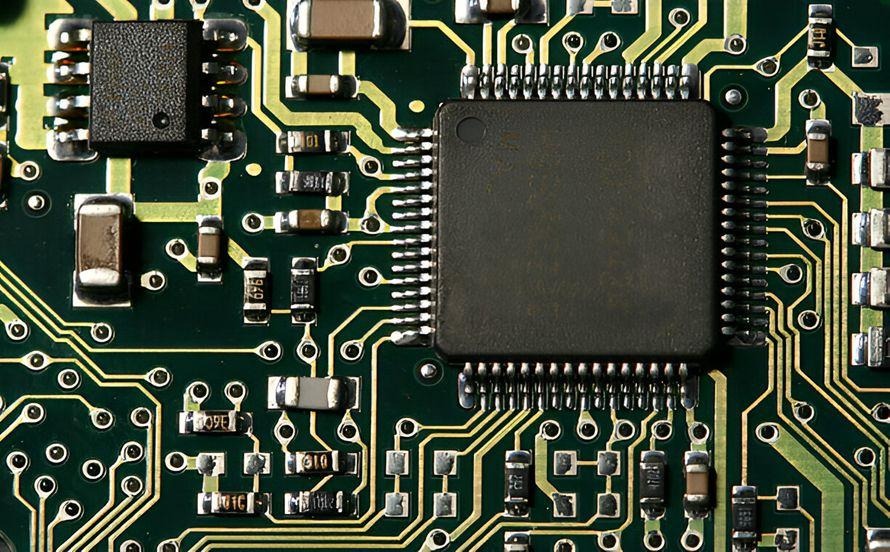
Modern electronic devices are becoming smaller, faster, and more powerful than ever before. To support this technological advancement, manufacturers rely on efficient and precise circuit board assembly techniques. One of the most widely used methods in electronics manufacturing today is SMT Assembly. This technology has transformed the way electronic components are mounted onto printed circuit boards, allowing manufacturers to produce compact, high-performance devices with greater efficiency.
Understanding how SMT assembly works and why it is widely adopted across industries can help businesses choose the right manufacturing approach for their electronic products.
What Is SMT Assembly?
SMT Assembly refers to the process of mounting electronic components directly onto the surface of a printed circuit board (PCB). SMT stands for Surface Mount Technology, which eliminates the need for inserting component leads through drilled holes in the board, a method commonly used in traditional through-hole assembly.
In SMT assembly, components known as surface-mount devices (SMDs) are placed directly onto the PCB surface using automated machines. These components have small metal terminals that are soldered onto copper pads on the board.
This technology allows components to be placed much closer together, enabling higher circuit density and more compact electronic designs. As a result, SMT assembly has become the standard manufacturing method for most modern electronics.
How SMT Assembly Works
The SMT Assembly process involves several precise steps that ensure components are accurately mounted and securely connected to the circuit board. The process begins with applying solder paste to the PCB. Solder paste is a mixture of tiny solder particles and flux, and it is applied to the board using a stencil that aligns with the copper pads.
Once the solder paste is applied, automated pick-and-place machines position the surface-mount components onto the board. These machines use high-speed robotic arms and advanced vision systems to place thousands of components with extremely high accuracy.
After component placement, the PCB moves into a reflow oven. Inside the oven, the board is gradually heated to melt the solder paste. When the solder melts, it forms strong electrical and mechanical connections between the component terminals and the PCB pads.
After the soldering process is complete, the board is cooled to solidify the joints. Finally, inspection and testing are carried out to ensure that all components are properly placed and functioning as intended.
Advantages of SMT Assembly
One of the biggest advantages of SMT Assembly is its ability to support high component density. Since surface-mount components are smaller and mounted directly on the board surface, designers can fit more components into a smaller space. This is especially important for compact devices such as smartphones, laptops, and wearable electronics.
Another key benefit is improved production efficiency. Automated SMT assembly machines can place thousands of components per hour with remarkable accuracy. This level of automation significantly increases manufacturing speed while reducing human error.
SMT assembly also improves electrical performance. Shorter connections between components reduce signal delays and improve high-frequency performance. This makes SMT particularly suitable for advanced electronic devices that require fast and reliable signal transmission.
Additionally, the manufacturing cost can be reduced when producing large volumes of PCBs. Automated assembly processes reduce labor requirements and enable consistent production quality.
SMT Components and Materials
The components used in SMT Assembly are known as surface-mount devices. These components are designed with small metal terminals that allow them to be soldered directly onto the board surface.
Common surface-mount components include resistors, capacitors, diodes, integrated circuits, and connectors. These components are usually much smaller than their through-hole counterparts, which allows designers to create more compact circuit boards.
The materials used during the assembly process also play an important role. Solder paste must have the right consistency and melting temperature to ensure proper connections. Flux within the paste helps remove oxidation and improves the quality of solder joints.
PCB materials such as FR-4 fiberglass are commonly used because they provide good mechanical strength and electrical insulation. The combination of these materials ensures reliable performance and long-term durability.
SMT Assembly vs Through-Hole Assembly
Although through-hole assembly was widely used in the past, SMT Assembly has largely replaced it in modern electronics manufacturing. The primary difference between the two methods lies in how components are attached to the PCB.
In through-hole assembly, component leads are inserted into drilled holes and soldered on the opposite side of the board. While this method provides strong mechanical connections, it requires more space and limits circuit density.
SMT assembly, on the other hand, mounts components directly on the board surface without the need for drilled holes. This allows for smaller board sizes, faster assembly processes, and more efficient use of space.
However, through-hole components are still used in some applications that require strong mechanical stability, such as connectors or high-power components. In many cases, manufacturers use a combination of both technologies to achieve the best results.
Applications of SMT Assembly
The widespread adoption of SMT Assembly has made it a key manufacturing process in many industries. Consumer electronics is one of the largest sectors using this technology. Devices such as smartphones, tablets, televisions, and gaming consoles rely heavily on SMT assembly for compact and high-performance circuit boards.
The automotive industry also uses SMT technology in vehicle control systems, sensors, and infotainment systems. As vehicles become more electronically advanced, the demand for reliable PCB assembly continues to grow.
Medical electronics is another important application area. Medical devices such as diagnostic equipment, monitoring systems, and portable healthcare devices depend on precise and reliable circuit board assembly.
Industrial automation systems also rely on SMT assembly for control boards, robotics, and monitoring equipment. The ability to produce reliable and compact electronic circuits makes SMT an ideal solution for these demanding environments.
Quality Control in SMT Assembly
Maintaining high quality is essential in SMT Assembly to ensure that electronic products perform reliably. Manufacturers use several inspection methods throughout the assembly process to detect defects and ensure proper component placement.
Automated optical inspection systems are commonly used to check component alignment and solder joints. These systems use high-resolution cameras to identify issues such as missing components, incorrect orientation, or solder bridging.
X-ray inspection may also be used for complex components such as ball grid arrays, where solder joints cannot be easily seen from the outside.
In addition, functional testing ensures that the assembled circuit board operates correctly before it is integrated into the final product. These quality control measures help maintain consistent performance and reliability.
Conclusion
SMT Assembly has become the standard method for assembling modern printed circuit boards due to its efficiency, precision, and ability to support compact electronic designs. By mounting components directly onto the board surface, this technology enables higher circuit density, faster production speeds, and improved electrical performance.
As electronic devices continue to evolve and become more advanced, the demand for high-quality PCB assembly processes will continue to grow. Businesses that require reliable and efficient circuit board production often partner with an experienced SMT assembly service provider to ensure their electronic products meet industry standards and deliver consistent performance.
