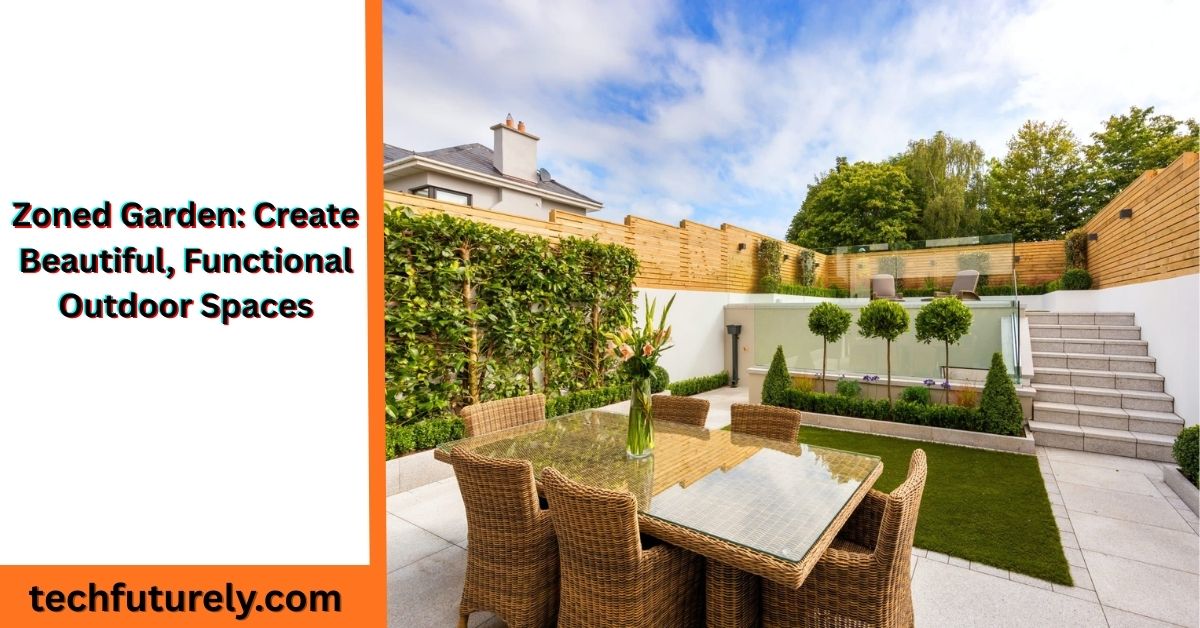
A zoned garden is essentially an outdoor living space organized into separate sections, each with its own vibe and function. Think of it like creating “rooms” outdoors: one area might be dedicated to dining, another to relaxing, a corner for kids to play, and a patch for growing veggies. This kind of garden design brings clarity and purpose to your yard. Instead of one big lawn or random flower beds, each garden area or section feels intentional. You might wonder, how do I section a garden so everything flows well? The key is planning and creative use of elements like garden paths, plants, and even different floor levels. This guide will walk you through every step – from planning to planting – so you can turn any yard or large patio into a fully functional and beautiful outdoor oasis.
| Category | Details |
|---|---|
| Definition | A garden divided into distinct areas (or zones) each with a specific purpose (dining, lounging, play, planting, etc.) |
| Common Zones | Dining area, outdoor lounge, children’s play spot, veggie/herb plot, relaxation corner, utility/storage space |
| Key Design Tools | Garden paths, level changes (steps, terraces), strategic planting, lighting, paving and furniture placement |
| Main Benefits | Clear function for each space, smoother flow between areas, lower maintenance (no one-size-fits-all turf), eye-catching design |
| Ideal for | Gardens of all sizes – from large patios to small yards. Works like an outdoor living room system for any yard. |
What is a Zoned Garden?
A zoned garden simply means dividing your outdoor space into distinct areas, each tailored for a specific use. Instead of a single open space, you have dedicated garden areas – for instance, a dining spot with a table and chairs, a cozy lounge with comfortable seating, a spot for a barbecue, a children’s play corner, and even a vegetable plot. Each “zone” can be defined by different materials (like decking vs gravel), plants, or elevation. Imagine walking through your yard and feeling like you’re entering different outdoor rooms. That’s the essence of a zoned garden design: it makes the best use of every square foot by giving it a clear purpose. As one expert notes, zoning gives structure, purpose, and rhythm to your outdoor space. In practice, it feels a lot like interior design but outside – so you might even hear people call these zones outdoor living rooms or garden rooms.
The Concept of Garden Zones
Breaking a yard into zones doesn’t mean building tons of fences or walls. Instead, think of subtle transitions and clues. Garden paths often lead you from one section to the next. A change in paving, a row of shrubs, or a different floor level can signal “You’re now in the dining zone” versus “this is the play area.” For example, a raised deck with a pergola might mark a lounge zone, while a gravel path leading to a raised vegetable bed marks the gardening zone. Even planting beds and trees act as natural dividers: tall grasses or a hedge can separate a sandbox from the patio, or a line of pots can border a BBQ space. In short, a zoned garden is about using design features (like paths, plants, and levels) to define sections of a garden without walls. This way, each area has its own character while still feeling part of a unified whole.
Benefits of a Zoned Garden
A well-zoned garden brings many perks. First, it boosts functionality and flow: you’ll have a clear dining area, a dedicated relaxation spot, and more, rather than one confusing hodgepodge of everything. Second, it often makes maintenance easier. You can tailor each zone to its use (more on that in the planting section) so you don’t spend time mowing or weeding where it’s not needed. And on top of that, zoning adds visual interest – it’s more exciting than a generic lawn. Each zone can have its own style, like a cozy corner lit with fairy lights, or a modern outdoor kitchen area. In fact, designers say zoning brings privacy and style, allowing you to enjoy each area without conflict. Let’s break down some key benefits:
Improved Functionality
When each part of your yard has a clear role, life gets simpler. You won’t end up dragging chairs back and forth for dinner or mowing the toy zone daily. Instead, your dining zone stays set up for meals, and your play zone can be carpet-free. This clear “function per zone” means everything flows naturally. Paths and sightlines guide you from kitchen to patio to lounge to garden. In practice, zoning ensures movement feels natural and logical. So if you want to cook at the outdoor grill and then head straight to the dining table, or if kids can run freely in their play area away from the barbecue, the garden layout supports those uses.
Enhanced Aesthetics and Value
A zoned garden often looks more intentional and stylish. You can give each area a theme – for example, tropical lounge, formal herb garden, or whimsical play nook – and use colors and plants to tie everything together. In contrast to a uniform lawn, a garden with defined sections can feel more like an extension of your home’s interior design. This “many rooms outdoors” approach can even increase curb appeal. As designers note, having separate zones lets each spot reflect a different mood while still fitting the overall scheme. Homeowners often find that a thoughtful zoned garden design makes their outdoor space more inviting, effectively expanding their living area.
Easy Maintenance
It might seem counterintuitive, but zoning can save time on chores. Instead of one big grass area to cut and fertilize, you can choose low-maintenance surfaces where grass isn’t needed. For instance, a garden idea could be to use gravel or stone in high-traffic zones (like dining or play) and reserve lawn or plant beds only where it serves a purpose. Some gardeners even report up to 75% less mowing by using naturalistic “gravel/meadow” areas in certain zones. You can customize soil amendments too – the veggie zone can have compost-rich soil, while the lounge zone might have wood chips or pavers. With each zone optimized for its use, overall upkeep becomes more efficient.
Planning Your Zoned Garden
Good zoning starts on paper. Before moving dirt or plants, take some time to assess your space and needs. Walk around your garden or patio and notice sun patterns, existing plants, and how you want to use the yard. Are there shady corners ideal for a hammock? Sunny spots perfect for vegetables? Also consider how you enter and exit the garden (maybe from the kitchen or side gate) so you can place key zones where they make sense. Take notes or sketch a rough layout. This is where you decide on the sections of a garden you’ll create.
Assess Your Space and Sunlight
Begin by sketching your yard and marking the sun path. Note where the sun hits at breakfast, midday, and evening. This tells you which garden areas get full sun or deep shade. (For example, most plants thrive where they get at least 6 hours of sun, so put veggies there.) Also mark any existing features: a tree, shed, or window might influence zones. Ask yourself: Which activities do we really want outdoors? Maybe you need a dining table by the kitchen door, a play area near the back fence, or a green wall somewhere. By mapping your space, you’ll know how much room each zone can have and ensure paths connect them easily.
Define Your Zones
Next, decide on the main zones based on your lifestyle and the assessment. Common zones include: dining/eating area, lounge/relaxation, children’s play or pet zone, flower or vegetable garden, and utility space for storage or compost. Write down your priorities. You might prioritize a grilling and dining terrace if you entertain often, or a veggie/herb section if you love gardening. Try to keep to 3–5 major zones to avoid over-complication (many experts warn that too many tiny zones can stall a project). Draw these zones on your sketch, roughly indicating their size and shape. For instance, a rectangle next to the house for dining, a square grassy patch for kids, etc. This layout is just a starting plan, so stay flexible.
Sketch a Layout and Pathways
With zones identified, sketch how you’ll connect them. Add pathways or stepping stones that link each area. For example, a stone garden path could lead from the patio dining area to a separate lounge nook or to the veggie garden. Think of this like traffic flow: you want smooth routes from the kitchen to the grill, from play area to seating, and from one zone to the next. Paths also subtly mark the boundaries of zones. You don’t need fences; a curved gravel path or a line of pavers can act as a soft border. Include potential changes in level here as well, like steps up to a raised deck. At this planning stage, use circles or labels to mark where planting beds, furniture, or key features will go. Now you have a blueprint for your zoned garden design.
Defining Garden Zones and Areas
Once you have a plan, you can start detailing each zone’s purpose and feel. Below are common zone types and tips for each:
Relaxation and Dining
One zone might be your outdoor living room or patio lounge. This could feature comfy chairs, a sofa, or even a fire pit. Place it where you can relax with shade or shade sails if needed. Nearby, create a dining zone with a table and perhaps an outdoor kitchen or BBQ. An overhead pergola or umbrella can provide cover. In each of these zones, use consistent materials (like wood decking or matching pavers) to define the floor, and use rugs or planters to create “walls.” For example, tall potted plants can border a lounge, while an outdoor rug and lanterns give a cozy feel. Remember, these zones should feel inviting yet open to the rest of the garden.
Play and Family Area
If you have kids or pets, set aside a play zone. This could be a patch of lawn, sandpit, or rubber-mulch space. Keep it visible from the house or kitchen window if possible, so you can supervise. You can separate it from dining or lounge zones with low hedges, railings, or even a change of ground surface (like turf to wood chips). A small fence or screen can keep balls from rolling away but still allow easy access. The play zone is flexible – in later years it could become a garden office, a meditation spot, or anything else.
Planting and Productivity
Every garden benefits from a green zone – whether it’s a flower bed or a vegetable patch. Give edible plants the sunniest spot. A raised bed or a row of herbs by the kitchen door is a clever garden idea. Use gravel or mulch paths around planting beds to keep them tidy. Your soil here might be richer (add compost for veggies) than in other zones. If space is tight, containers or vertical planters can add a productive zone against a wall. Let this area have a slightly different vibe – maybe a wooden trellis or colorful flowers to signal “this is the garden zone”.
Utility and Storage
Don’t forget practical spaces. You’ll need somewhere for a tool shed, compost bin, or garbage bins. Ideally these are tucked out of main sightlines (perhaps behind slatted screens or at the garden’s edge). Even this zone can be integrated: screen it with trellis and vines, or paint a shed a fun color so it adds to the look. By including a designated storage zone, you keep clutter out of view and maintain order across your other zones.
How to Zone a Large Patio
A large patio is a great blank slate for zoning. Start by imagining different functions you want on the patio. For example, place the dining table near the backdoor for easy kitchen access. You might carve out a lounging corner with outdoor sofas on one side. Perhaps a built-in BBQ or outdoor kitchen goes against a wall, creating a cooking zone.
Patios as Outdoor Rooms
Treat each patio section like an indoor room. You could have an “alfresco dining room” complete with a pergola, and a separate “garden lounge” on a different level or under a canopy. Rugs, cushions, and furniture groupings help define these areas. For instance, an outdoor rug under a seating set instantly says “living room.” Don’t be afraid to use outdoor furniture of different styles to match each zone’s feel (a rustic wooden table for dining, modern wicker sofas for lounging).
Using Levels on the Patio
Creating different levels in garden can be applied to patios too. If your yard is flat, you can still introduce steps or a raised platform. For example, step up to a deck where the lounge furniture sits. Or sink a fire pit area one step down from the main patio floor, making a sunken seating zone – this naturally tells people, “this is a separate space.” Level changes are a powerful way to zone without walls. They also add interest and can even solve drainage or slope issues if your yard isn’t totally flat.
Greenery on a Patio
Add plants to divide patio zones. Large planters, small trees, or trellises with vines can act as living walls between the dining and lounge parts. For instance, a row of tall potted bamboo or a lattice with climbers can partition off the play area from the BBQ area. Planters can also visually link zones by using similar plants or colors. This way, the patio retains an open feel but each function is still distinct.
Garden Paths and Connections
Garden paths are the “hallways” that connect your outdoor rooms. They guide feet (and eyes) around the garden, so thoughtful path design is key.
Designing Pathways
Use paths to link all your zones logically. A winding gravel path might meander from the driveway to the back patio, passing by flower beds and the lawn. Stepping stones can cut a direct route from patio to vegetable patch. Crucially, change the path’s material or width at zone borders. For example, have a wide paved path that ends at a stepping-stone trail to the play area. The transition signals a new zone. Edges of paths can be lined with plants or lighting to mark boundaries, too.
Connecting the Zones
Think about the flow: from kitchen door to dining table, from dining to lounge, from lounge to play area. You want no awkward corners. Paths should avoid dead-ends – loop them or have branches. Lighting along paths not only looks magical at night, but helps define the layout and keeps zones safe after dark. In short, paths connect the dots. A clever garden path design makes the whole garden feel cohesive while still revealing each unique zone as you walk through.
Creating Different Levels in the Garden
Adding height variation is an excellent zoning tool.
Terraces, Steps, and Retaining Walls
If your land slopes, use terraces. But even flat gardens can have raised flower beds, tiered seating, or split-level decks. Building a small retaining wall or wooden step up to a deck can instantly make the deck a separate zone. For example, sit the lounge area slightly higher with steps up to it. That tiny elevation helps reduce noise and gives a sense of enclosure. It’s also safer: kids are less likely to run through if there’s a clear step up. You can use brick, stone, or timber to build these levels. Just ensure they fit your style – stone blocks feel rustic, painted wood feels modern.
Sunken Seating Areas
Conversely, sinking an area a bit can create a cozy niche. Some designs include a sunken firepit lounge or conversation pit. This works by simply digging a few inches down and adding a retaining edge. A sunken zone feels intimate and is naturally separate, which is great for a quiet chat corner under the stars. Just remember to provide plenty of drainage if you make a dip, so water doesn’t pool in the recessed spot.
Plants and Hardscape for Zones
Thoughtful use of plants, trees, and materials really sells the zoning concept.
Using Plants as Dividers
Plants can be living walls or hedges. For example, a tall hedge or a row of ornamental grasses can screen one zone from another. Planting different varieties for each area also signals a transition: lavender around the dining table, then grasses around the lounge. Vertical elements like pergolas with vines, bamboo screens, or even a mini orchard row, can mark boundaries elegantly. Seasonal color can help too: perhaps bright annuals by the play area, and lush evergreens by the relaxation zone. This green framing makes each zone distinct without rigid separation.
Furniture and Materials

Furniture placement is a powerful zoning tool. Point chairs toward the fire pit to define a gathering circle. Use different material palettes: slate tiles under the dining table, wood decking under the sofa, gravel in the garden zone. This change tells the brain “this belongs together.” Pots and accessories also help: string lights above the dining table, or an outdoor rug under the seating, visually anchors that zone.
Lighting and Accessories
Lighting can delineate zones after dark. Overhead pendant lights or a lantern cluster can highlight the dining area, while soft spotlights on plants can mark a meditation nook. In-ground or path lights show where to step (and also keep kids safe). Even decorative items like sculptures or water features can act as focal points for zones. For instance, a small fountain in the garden zone attracts pollinators and draws the eye away from the harder patio sections, reinforcing the division of space.
Examples of Zoned Garden Design
To illustrate, here are some setups you might find inspiring:
Small Space Zoning
Even city balconies or courtyards can use zoning. A container dining set on one corner, potted herbs on another, and a cozy chair with pillows against a wall can give the feel of separate “rooms.” Low partitions like short hedges or lattice screens are key in tight spaces. For example, a vertical planter can hide a BBQ from the seating area, while still keeping everything within arm’s reach. You’ll maximize utility without cluttering the space.
Large Landscape Ideas
In a big yard, think in larger strokes. You could have a formal brick patio by the house for dining, a wooden deck under the trees for lounging, and a grassy play field at the far end. A winding stone path might connect all three. Some large gardens even add a pond or gazebo as a zone. Each major area might be dozens of feet apart, and you’ll need visual cues (like changing plant themes) to tie it together. For example, repeat a vine or color palette in each zone to make them feel related, even as they serve different purposes.
Contemporary vs Traditional
Modern zoned gardens often use clean lines and materials: concrete pads for lounge chairs, gravel for walkways, simple geometric planters. A neutral palette keeps it unified. In contrast, a traditional approach might feature a rectangular patio for dining, a curved path to an arbor-covered bench, and a flower border full of old-fashioned blooms. Either way, the key is that each style still separates functions. Some gardens even blend styles, like a sleek fire pit area next to a cottage garden planter.
Maintenance and Flexibility
Upkeep Tips for Each Zone
Once built, each zone needs its own care routine. Mow the lawn in the play area weekly, but maybe you only water the lounge’s potted plants twice a week. Label irrigation lines or sprinklers by zone to avoid overwatering. Regularly clean the patio areas (sweep, wash down) so they stay tidy. Sharpen tools and hide them in the utility zone immediately after gardening so the other areas stay clutter-free.
Adapting Zones Over Time
One of the great things about a zoned garden is that zones can change. If kids grow up, you might convert the sandbox zone into a reading nook. If your cooking style changes, swap a basic grill area for a full outdoor kitchen. Because each zone is discrete, you can modify one without messing up the rest. Always keep an eye on flow – if you find people avoid a spot, maybe it needs more sunlight, different furniture, or a new plant screen. Flexibility is part of the appeal: just like rearranging furniture inside, you can tweak your outdoor rooms to keep them working well.
Potential Pitfalls to Avoid
Don’t Overplan or Over-Zone

It’s tempting to assign everything a zone from the start, but too many zones can paralyze progress (they call it “planning paralysis”). Focus on the 3-5 most important zones first. You can always add a small herb planter or seating corner later. Starting too big can be overwhelming and costly. Instead, build one zone at a time (for example, finish the dining area before tackling the lawn), then live with it to see how it feels.
Keep Zones Cohesive
Sometimes gardens can feel chopped up if zones are too disjointed. To avoid this, maintain visual ties. Use a consistent material or color family in all zones. For example, repeat a type of paver, or use similar accent colors in cushions and pots. Also, maintain balance in style. If one zone is ultra-modern glass and metal, suddenly dropping a farmhouse wheelbarrow in another zone might clash. Small transitions – like a stepping-stone bridge between styles – can help. Think of it like an outfit: even when you change shoes for a different activity, your belt or shirt color ties everything together.
Conclusion
A zoned garden turns a simple yard into a dynamic living space. By carefully planning and using elements like garden paths, levels, and thoughtful planting, you give every part of your outdoor area a purpose and personality. The result is a garden that feels larger (because each zone is like a room), more organized, and far more enjoyable to use. Whether you have a sprawling backyard or a compact patio, zoning can transform it. Start small if needed, perhaps by adding a dining corner and a separate lounge area, and then build from there. With a clear plan, a bit of creativity, and attention to flow, you’ll create a garden that’s both beautiful and practical – a place you and your guests will love spending time in.
FAQs
What is a zoned garden?
A zoned garden is one where the yard is divided into distinct sections or areas, each dedicated to a different use (like dining, playing, or gardening). It’s a design approach that treats the outdoors like indoor rooms, giving each space a clear purpose.
How do I start creating zones in my garden?
Begin by assessing your space: sketch your yard, note sun patterns, and list what activities you want outdoors. Next, define your zones (dining area, lounge spot, veggie patch, etc.) on paper. Finally, plan transitions: add garden paths, level changes, or plants to connect and separate those zones.
Can a small garden benefit from zoning?
Absolutely. Even a compact garden or large patio can be zoned by thoughtful layout. Use containers, vertical planters, and small seating sets to carve out different feels (for example, a bistro table here and a bench there). Even in small spaces, creating different levels in the garden—like a raised deck or a sunken firepit—can make the most of every corner.
How do garden paths help in zoning?
Garden paths guide people through the space and act as boundaries. A path can lead visitors past the dining area to the lounge, or curve around a flower bed. Changing the path’s material or width also signals a transition between zones, helping define each area without walls.
What are creative ways to section a garden?
Aside from pathways, you can section a garden using plant screens (tall grasses, hedges), pergolas with vines, built-in seating edges, or level changes (steps and terraces). Even color can separate zones: painting a fence one color behind a dining set and another color behind the lounge ties each zone together. By mixing these techniques, each section stands out while still feeling part of the unified garden design.
